


Stay safe at seas
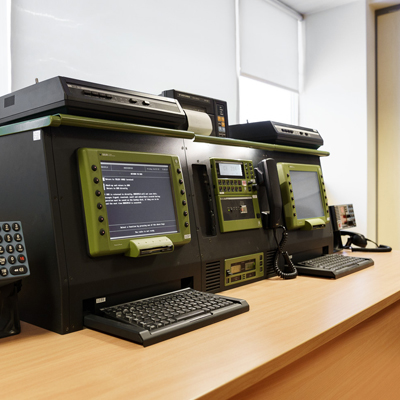
At a basic level, GMDSS uses a combination of satellite and terrestrial communication systems to provide reliable and efficient communication between vessels at sea and shore-based authorities. This means that in an emergency, a vessels GMDSS system will send the distress signal directly to shore, more specifically to a maritime rescue coordination centre (MRCC) who will implement an emergency response.
Whilst the GMDSS equipment required onboard will vary from ship to ship depending on vessel size, type and itinerary, a key component is a satellite-based communication system.
We have partner/distributor agreements with major Accounting Authorities, which enables us to deliver AAIC and PSA services for the all flag-states. In this way, we can perform Inmarsat and Iridium GMDSS transactions without any problems. (as well as LRIT, satcoms equipment sales and installation)

Inmarsat-C
-Coverage: Global coverage except for the extreme polar regions.
-Data Speeds: Low speed – data rates of up to 0.6Kbps.

Iridium GMDSS
-Global coverage, including the polar regions.
-Data Speeds: Faster than Inmarsat-C – supports (SBD) messaging at speeds of around 2.4 Kbps
Ship Security Alert Systems (SSAS)
The SSAS is a critical safety feature that enables ships to transmit a security alert to competent authorities when under threat or compromised. IMO legislation states that the SSAS must meet specific requirements:
- Be activated by a dedicated button, sending a ship-to-shore security alert to a designated authority (which may include the company) with the ship’s identification, location, and threat status
- Not transmit the alert to other ships
- Not trigger an onboard alarm
- Continue the alert until manually deactivated o. r reset
Inmarsat C and Mini C services support SSAS functionality. Existing GMDSS terminals can be upgraded with relevant hardware and software to facilitate this service. Additionally, dedicated SSAS models are available from MES manufacturers, providing a comprehensive solution for ship security needs.
Long Range Identification and Tracking (LRIT)
Although LRIT is not part of the GMDSS communication requirements, equipment such as Inmarsat C and Mini C terminals can be utilized to support the system.
LRIT is a SOLAS regulation included in Chapter V, applicable to ships constructed after December 31, 2008, with a phased implementation for existing vessels.
Regulations stipulate that LRIT reports should be transmitted by default every six hours to the LRIT Data Centre. The transmission frequency can be controlled remotely, allowing for increased reporting rates up to every 15 minutes in response to changing security levels. The required LRIT information includes:
Reports include the ship’s position, date and time of the report. This information is transmitted to contracting governments and administrations, enhancing maritime safety and security.